How AI Is Changing Eye Care: A New Era in Diabetic Retinopathy Screening
Autonomous AI screening tools are transforming how we detect eye disease, especially for patients with diabetes.
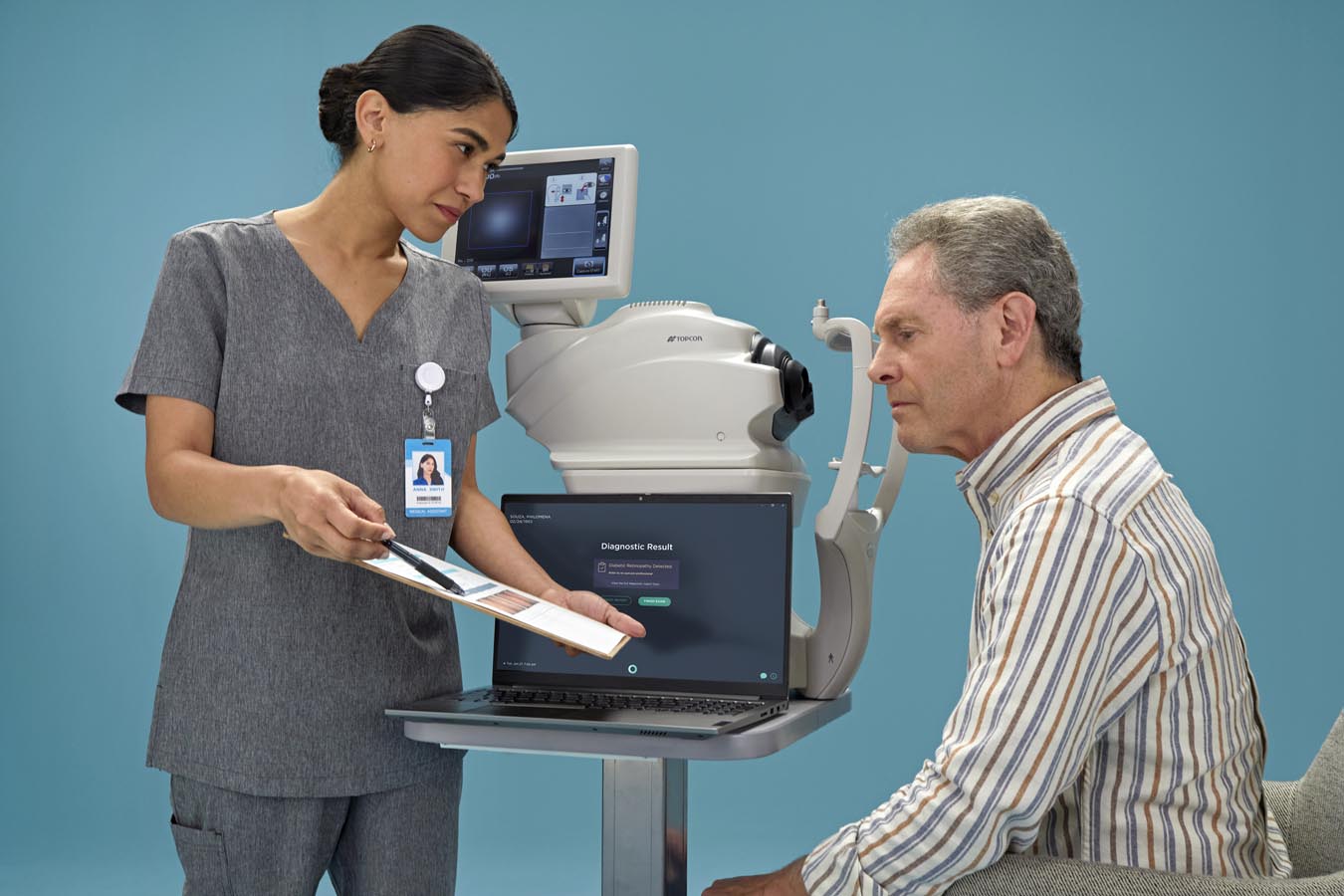
AI-assisted diabetic eye screening brings specialist-level diagnostics into everyday clinics.
In a quiet revolution that began in 2018, artificial intelligence took its first fully independent step in clinical care. The milestone? An FDA-cleared AI system that could diagnose diabetic retinopathy without a human eye doctor. Fast forward to today, and this technology—called LumineticsCore (formerly IDx-DR)—is quietly transforming how we detect eye disease in people with diabetes. It may just be the start of a much bigger movement in medicine.
What Is Diabetic Retinopathy and Why Does It Matter?
Diabetic retinopathy is one of the leading causes of blindness in adults. It affects the tiny blood vessels in the retina and can develop silently for years. The good news? If caught early, it's often treatable. But here’s the problem: not enough people get their eyes screened regularly. For patients with diabetes, annual retinal exams are recommended. Yet millions skip them—often due to limited access to specialists, cost, or time.
The Breakthrough: AI That Can Diagnose on Its Own
Enter LumineticsCore. It was the first autonomous AI system approved by the FDA to make a diagnosis without a doctor confirming the result. A nurse or technician captures retinal images in a primary care clinic, the AI reviews them, and within minutes it gives a result—either clear or requiring referral.
This means screening can happen outside an eye clinic. No ophthalmologist needed on-site. Patients get answers immediately where they already receive care.
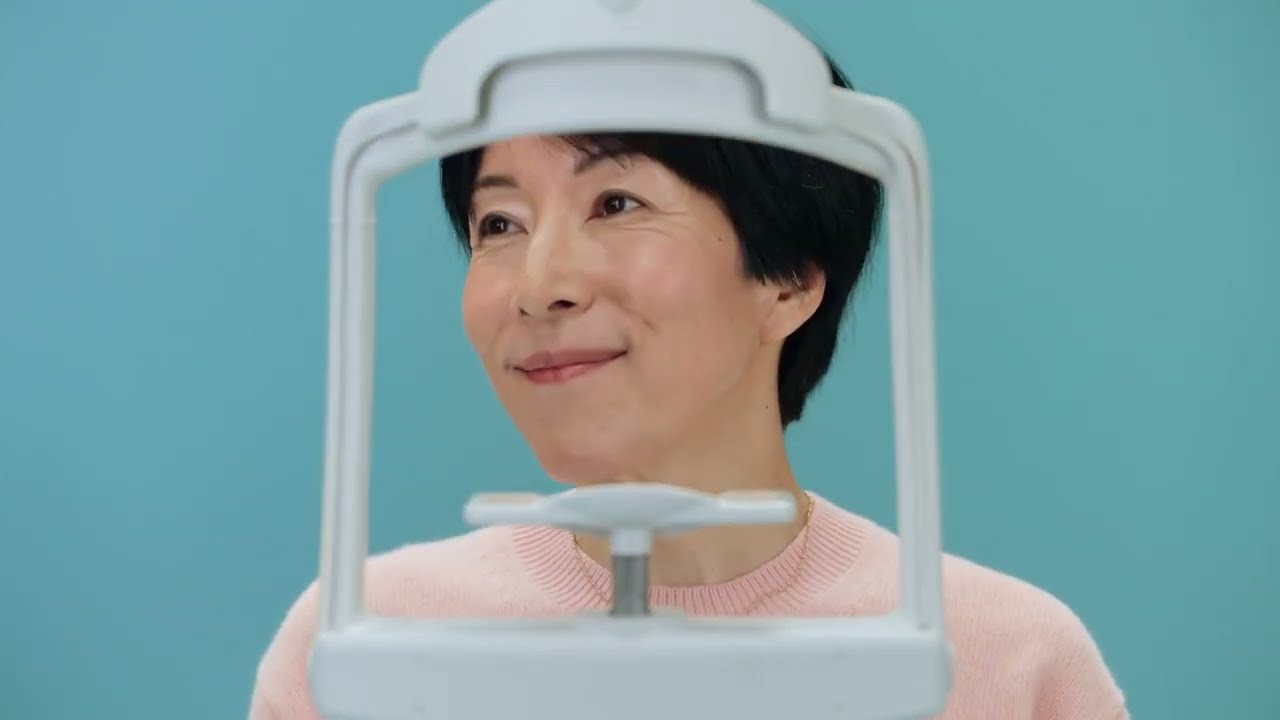
See the Technology in Action
Does It Really Work?
Yes. In clinical trials, the system met high standards for safety. It was designed with one main goal: never miss a serious case. It showed strong sensitivity (finding patients who truly need help) and specificity (avoiding unnecessary referrals), and importantly it met thresholds to ensure sight-threatening retinopathy was not missed.
Why This Matters for Everyone
This isn't just about technology—it’s about equity. Autonomous AI tools like this can bring high-quality care to people who otherwise wouldn’t get it. Rural communities. Under-resourced clinics. Places where ophthalmologists are hours away. It turns a complex, specialist-driven test into something accessible and fast.
It also shows what the future might look like: AI not just helping doctors, but stepping in where care gaps exist. A world where diagnosis doesn’t depend on location, insurance, or waitlists.
The Bigger Picture: A Blueprint for Other Conditions
LumineticsCore was the first—but it won’t be the last. Its success helped spark the development of other autonomous AI tools. Researchers and companies are now exploring similar systems for skin cancer screening, ear infections in kids, and even identifying early signs of Alzheimer’s through speech or typing patterns.
This isn’t science fiction. It’s science, moving fast. And at its heart is a very human goal: catching problems early, closing care gaps, and making health more equal for everyone.
The eyes, as it turns out, were just the beginning.