The Rise of AI in Orthopedic Surgery: Precision, Autonomy, and the Future of Robotics
Surgical robots, smart planning tools, and real-time guidance are quietly reshaping joint and spine surgery, bringing more precision and safety into the operating room.

Robotic-assisted orthopedic systems blend surgeon expertise with AI-driven planning and guidance.
Artificial intelligence is quickly changing orthopedic surgery. Between 2023 and 2025, we have seen huge steps forward in surgical robots, smart planning tools, and real-time support in the operating room. This article breaks down some of the most exciting innovations and explains what they mean for patients, surgeons, and the future of joint and spine care.
Smarter robots, safer surgeries
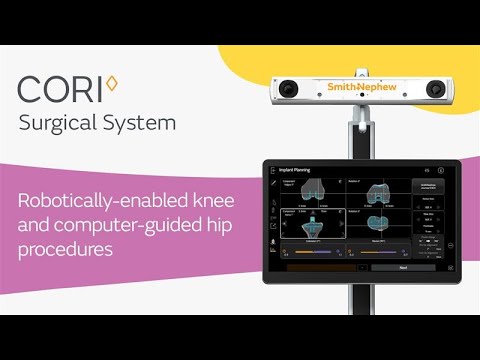
Orthopedic robots have come a long way. They used to simply help with navigation. Now they help surgeons plan and perform procedures with incredible accuracy. Systems like Stryker’s Mako, Zimmer Biomet’s ROSA, and Smith & Nephew’s CORI or NAVIO create 3D maps of each patient’s anatomy. These maps help surgeons place implants and make bone cuts with sub-millimeter precision.
See the Technology in Action
Watch a short overview of the Zimmer Biomet ROSA Shoulder system on YouTube.
Many of these systems use active constraints, or digital safety zones, that prevent instruments from moving into risky areas. One example, the ACROBOT system, guides a tool using a robotic arm that keeps the surgeon within safe boundaries. The result is more accurate implant placement and a lower chance of mistakes.
In spine surgery, robots like TiRobot help place pedicle screws with very high accuracy, with some studies reporting up to 98 percent correct placement, while also reducing radiation exposure by as much as 70 percent.
The goal is not to replace the surgeon, but to make every cut, screw, and implant as safe and precise as possible for each individual patient.
How close are we to fully autonomous surgery?
Right now, orthopedic robots assist the surgeon and do not work alone. The surgeon still makes the decisions and controls the tools, while the robot helps guide and execute the plan.
Research is pushing the limits. In 2023, scientists created a system that used AI to adjust screw placements in real time during spine surgery. It learned how to avoid dangerous areas and mimic expert decision-making. These early steps show a future where robots might take over more parts of surgery while the surgeon remains in charge.
Wider use and better outcomes
AI-powered orthopedic tools are no longer rare. In 2024, Zimmer Biomet’s ROSA Shoulder became the first FDA-cleared robot for shoulder replacement. It automates critical steps like preparing the joint and placing the implant, and it connects to a digital platform that tracks patient progress.
Some operating rooms now collect data during surgery to find patterns and improve outcomes. Platforms like Zimmer Biomet’s OmniSuite track instrument use, workflow, and implant data, creating a feedback loop to refine future procedures.
Experts estimate that the orthopedic robotics market could grow from about 7.5 billion dollars in 2024 to around 19 billion dollars by 2034 as more hospitals adopt these systems.
What’s next?
In the years ahead, we will likely see even smarter systems. Future robots may adapt during surgery, respond to unexpected anatomy, and even help guide recovery afterward. AI, computer vision, and real-time data are combining to make orthopedic care safer, more precise, and more personal.
For now, these tools do not replace surgeons. They make them better. The future of orthopedics is one where human expertise and machine intelligence work side by side.
Key takeaways
- Modern orthopedic robots use 3D mapping and active safety zones to improve precision.
- AI-guided systems are starting to adjust surgical plans in real time, especially in spine surgery.
- New platforms combine robotics with data tracking to learn from every procedure.
- The market for orthopedic robotics is expected to grow rapidly over the next decade.
- AI does not replace surgeons; it helps them deliver safer, more personalized care.