How AI Is Revolutionizing Stroke Care: A New Era in Emergency Medicine
In stroke care, “time is brain.” AI works in the background so that no critical scan waits unseen.
Before we continue, I would like to address the debate of whether or not AI will replace radiologist....
Let me make this clear. Many have predicted that AI would swept over the field of radiology 5 years ago. Yes, it has but it has not been the way many predicted. In the debate about whether AI will replace radiologists, the evidence leans strongly toward transformation rather than replacement. The evolution seems to be toward radiologists who leverage AI replacing radiologists who don’t. Physicians remain central because radiology is not just about image processing: it’s about clinical judgment, holistic patient care, and nuanced interpretation.
What AI Really Does During a Stroke Emergency
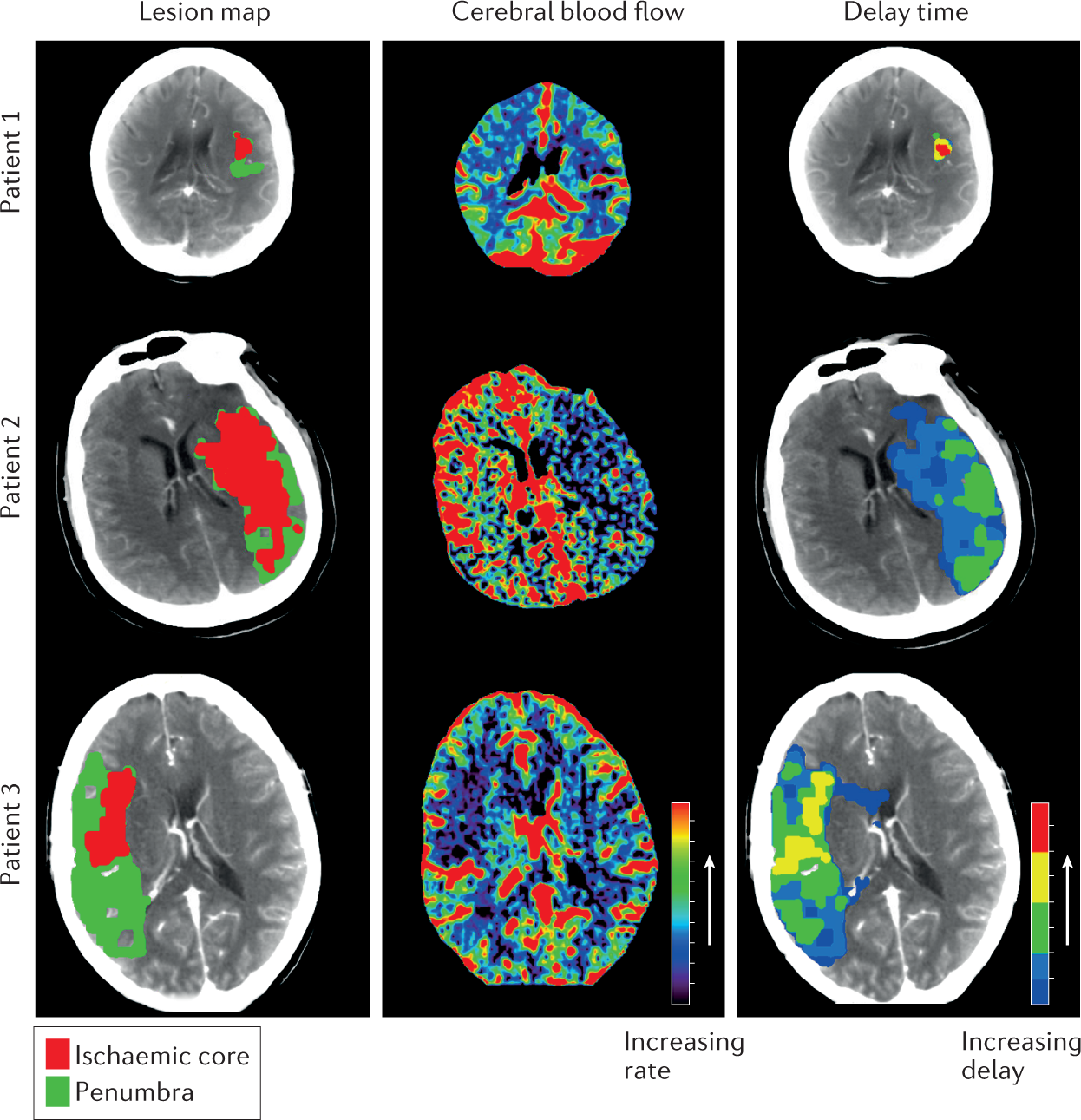
Let’s say someone shows up in the ER with stroke symptoms. A CT scan of the brain is done quickly. Typically, that scan would wait in line for a radiologist to review it, and only then would the stroke team be alerted. With AI tools like Viz.ai and RapidAI, that image would be sent immediately to smart software trained to look for blocked arteries. If the software finds a problem, it doesn’t wait and it sends a direct alert to the stroke team’s phones. Within 5 minutes, all the physicians who are caring for the patient, even offsite, can view the scans immediately and get ready for the next step in the treatments, while the radiologist confirms the findings by AI. These tools are built with advanced computer vision and deep learning. They study thousands of brain scans to learn what a stroke looks like. They can recognize blockages, bleeding, and even analyze how well blood is flowing in the brain.
Why This Matters: Every Minute Counts in Stroke
In stroke, the saying goes: "Time is brain." For every minute a clot blocks blood flow, nearly 2 million brain cells die. AI can cut down treatment delays by 30 to 40 minutes. That can be the difference between walking and being paralyzed, between full recovery and lifelong disability. Hospitals using AI report remarkable results. In one national study, patients treated in hospitals with AI alerts were seen by stroke specialists nearly 40 minutes faster. Even more striking, some centers saw up to a **40% drop in disability** at 90 days after stroke. That means more patients walking out of the hospital and going back to their lives.
How AI Fits Into the Hospital
- A scan is taken and sent to AI automatically
- Team notified instantly
- Collaboration happens fast
Real Stories, Real Hospitals
So far, more than 1,500 hospitals in the U.S. use Viz.ai, and many others use RapidAI. Even rural hospitals now can use AI to link with specialists at major centers. A community hospital might detect a major stroke with AI, then transfer the patient to a stroke center within minutes of the scan. The receiving team can already be prepped and waiting. In one case, a patient arrived with confusing symptoms. The AI picked up a serious brain artery blockage. The alert was sent, the team assembled, and treatment was started within 30 minutes. To give you perspective, this is a process that used to take over an hour or even longer. Remember, 1 minute without blood = nearly 2 millions brain cells dying. That patient walked out of the hospital 3 days later with barely a deficit.
What About Accuracy?
AI is impressively accurate but not perfect. It can miss small strokes or be fooled by certain artifacts. But for the big, life-threatening strokes that need surgery or clot-busting drugs, AI does very well. Most tools have over 90% accuracy in detecting major clots but less accurate for smaller ones And since doctors still review every scan, there’s always a safety net.
Safety, Regulation, and Trust
AI tools in medicine are carefully reviewed. Viz.ai was the first to get FDA clearance for stroke triage. Since then, over 1,000 AI tools have been cleared, many of them for radiology. Medicare even created a special payment program (NTAP) to support hospitals using AI to detect strokes, recognizing its lifesaving potential. Hospitals have also created guardrails. If the AI sends an alert, it’s confirmed by a specialist before action is taken. The systems are HIPAA-secure and designed to protect patient privacy.
Beyond Stroke: What’s Coming Next
- AI is already expanding to detect brain bleeds, aneurysms, and heart problems.
- Guide surgeons in the OR with real-time images.
- Predict who might be at risk for stroke or heart attack, before it happens.
- In the future, AI could help doctors choose the best treatment for each person based on scan results, medical history, genetics, and more.
So What Does This Mean for You?
If you or someone you love has a stroke, AI may be working in the background to save precious minutes. Its goal is to help doctors act faster, treat smarter, and give patients a better chance to recover. StayCuriousMD is about making medicine understandable. And this, right here, is one of the most exciting and hopeful changes in healthcare today. The future is arriving faster than ever. With AI, it’s also arriving smarter.
Stay curious. Stay informed. Stay healthy.